A Guide To Support Children with Their Healing Journey
Child Sexual Abuse (CSA) is a difficult topic we need to talk about. It affects many children in our communities, and with suitable support, we can create a positive ripple effect throughout the territory.
The following resources included in the My Heavy Secret series are:
- A Guide for Parents, Caregivers, and Educators
- 2-Part Videos:
- What To Do If You Feel Unsafe, and
- What Happens After You Tell a Safe Grown Up
- My Heavy Secret Stories
(available by request)
IIKELC developed the My Heavy Secret resource(s) to prevent and support children from CSA. They include helpful information to make approaching the topic of abuse easier.
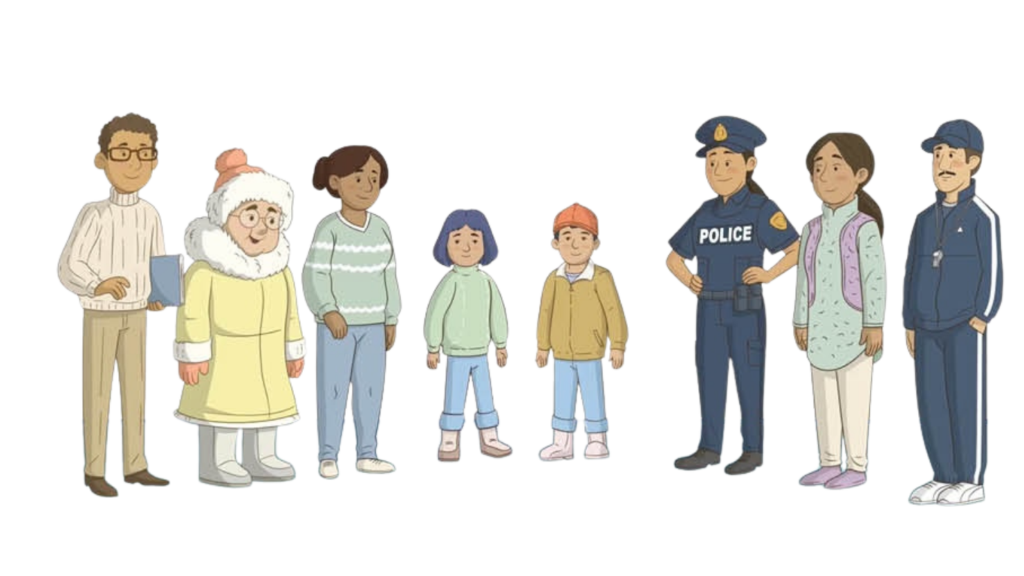
A Guide for Parents, Caregivers, and Educators
CSA in Nunavut is higher than the national average. Because CSA can affect individuals and families across communities, it is possible that someone you know has experienced abuse or that someone in your community may have caused harm.
This guide provides information about CSA and its effects on children, with a strong focus on children aged 10 and under. It outlines six important topics related to CSA:
1.
Definitions and Language
2.
Signs
3.
Responding safely to concerns and/or disclosures
4.
Reporting
5.
Learning to apply preventative measures that help keep children safe
6.
Supporting a child through recovery
Videos
The two-part videos explain to children an introduction to safe touch, how to disclose their abuse safely, and prepares them for what to expect after a disclosure occurs. The videos may be screened to a child by a parent, educator, or caregiver supporting the child to promote CSA Prevention or help the child in their healing journey.
All Videos are available in four languages. Inuktitut, Inuinnaqtun, French, and English.
If you do not see the all videos below, they can be found on Youtube at: My Heavy Secret Playlist
Part 1
“What To Do If You Feel Unsafe”
This video teaches children about body safety and what to do when something doesn’t feel right. It reminds children that their bodies belong to them, that abuse is never their fault, and that they deserve to feel safe. It also covers how to tell a trusted adult and seek help and support.
English –
What To Do If You Feel Unsafe
Inuinnaqtun – Qanuriliuriamik Amiriyaghaqariamik Ihumaguvit
Inuktitut – ᖃᓄᖅ ᐱᔭᕆᐊᖃᖅᐱᑦ ᐊᑦᑕᕐᓇᖅᑐᒦᖅᑰᔨᒍᕕᑦ
French –
Que faire si tu ne te sens pas en sécurité
Part 2
“What Happens After You Tell a Safe Grown Up”
This video explains what happens after a child tells a trusted adult about sexual abuse. It introduces children to the different steps after a disclosure: medical check-up, police investigation, and the court process. The video reminds children that they are brave, supported, and not alone.
English – What Happens After You Tell a Safe Grown Up
Inuinnaqtun –
Qanuriliuqpakpat Unniqtaaraangat Amirnaittumut Iniqniqmut
Inuktitut – ᖃᓄᐃᒃᑲᔭᖅᐸ ᐅᖃᐅᔾᔨᓚᐅᖅᑎᓪᓗᑎᑦ ᐃᓐᓂᒥᓇᖏᑦᑐᒥᒃ ᐃᓐᓂᕐᒥᒃ
French –
Ce qui se passe arpès avoir parlé à un adulte confiance
My Heavy Secret Stories
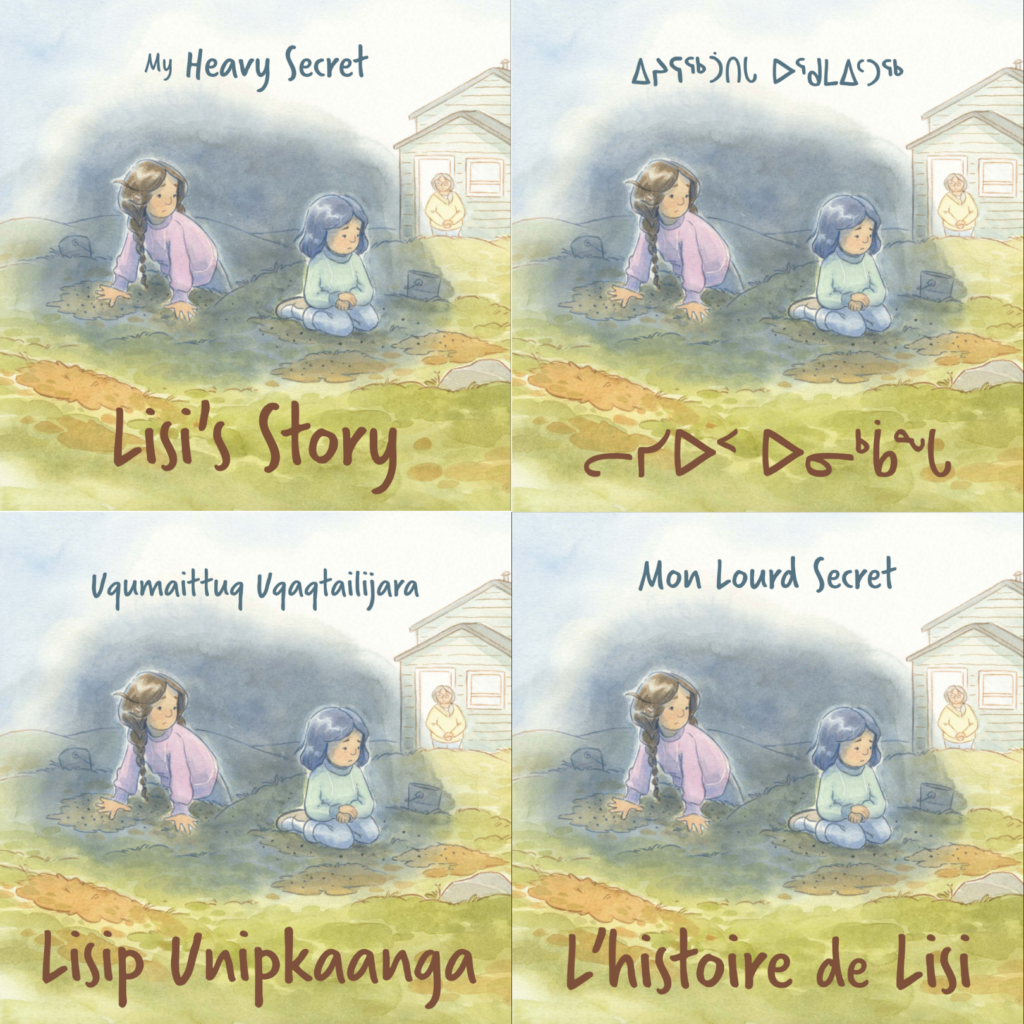
The two My Heavy Secret stories are about surviving and healing from child sexual abuse.
Please note: The books are not intended for children to read on their own. They must be read with a guardian or caregiver.
Lisi’s story centres two girls, aged 9 and 11.
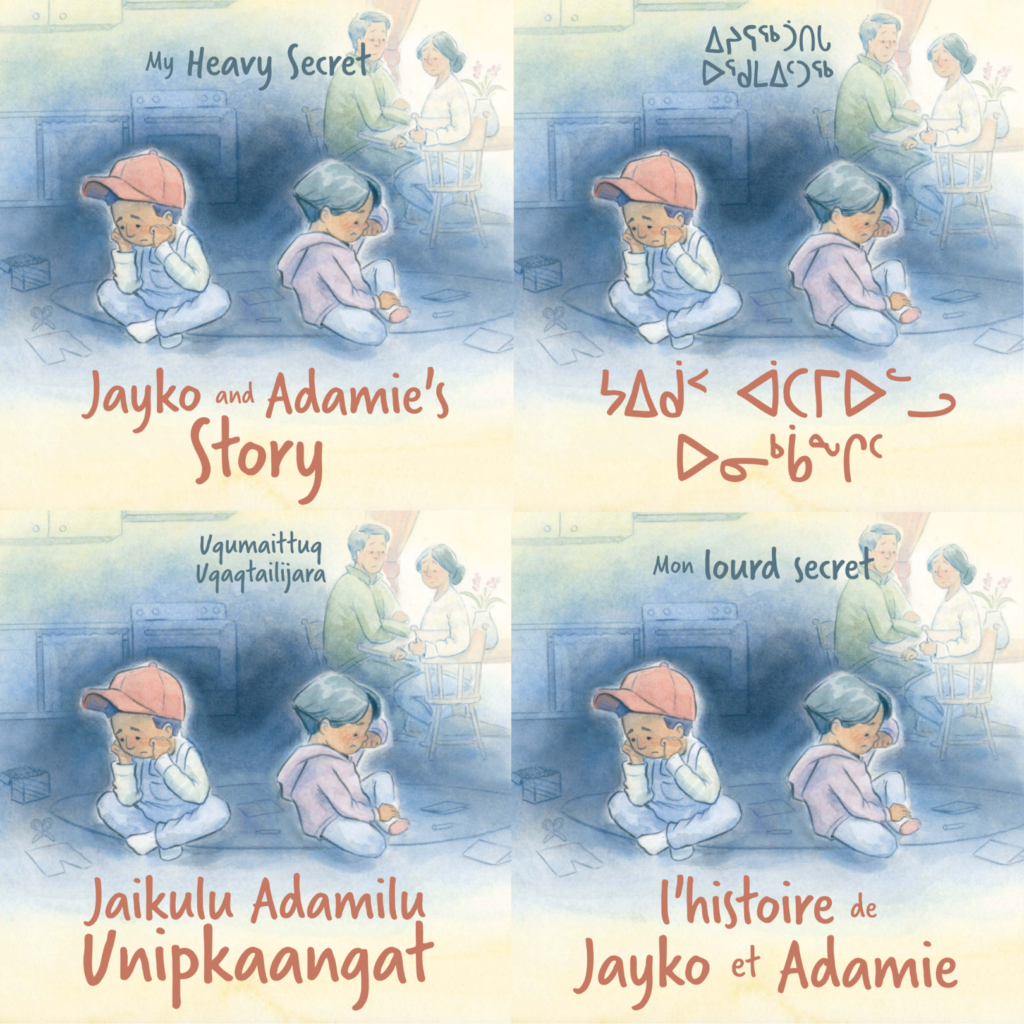
Jayko and Adamie’s Story centres two boys, aged 6 and 8.
Both stories serve as a resource for all children aged 5 to 10, explaining concepts such as sexual abuse, unsafe touches, personal boundaries, and the importance of identifying safe adults.
Together, they feature diverse characters, and aim to support all children in navigating these critical issues.
At the back of each book, you will find a guide to help parents and caregivers navigate conversations with children about sexual abuse and a list of additional supportive resources.
Lisi’s Story
Jayko and Adamie’s Story
Request Books
Due to the sensitive content of the books for Lisi’s Story, and Jayko and Adamies Story, they can only be accessed by request. Please send a request to us by email:
More Resources
Uvangaujunga: I am myself
ᐅᕙᖓᐅᔪᖓ A three-part video series that explores themes of identity, inclusion, and allyship are available.Educators could showcase the videos to students as a way to spark dialogue and encourage youth to be inclusive, compassionate, and accepting of all individuals. To encourage discussions as a group, there are also lesson plans that allows students to dive.
2026 Calendar
Featuring artwork made by the winners of the IIKELC Mental Health Art Contest
Helpful Tips
To support your mental health and routine.
Here are 5 Tips to begin supporting your wellbeing when feeling stressed or overwhelmed with every day life and responsibilities.
Affirmation Cards
To support Nunavummiut who have experienced prior sexual trauma. The cards provide words of encouragement and serve as a reminder of strength and resilience.
My Healing Journal
Inside this journal, you will find activities that can help you feel better. You can choose to do these activities by yourself or with a trusted grown-up. You do not have to complete every activity. Just pick the ones that you like.
Understanding Grief & Loss
Grieving is the normal and necessary journey we embark on after something we have valued no longer exists. If you would like to learn a little more about grief, we encourage you to go through the handout.